
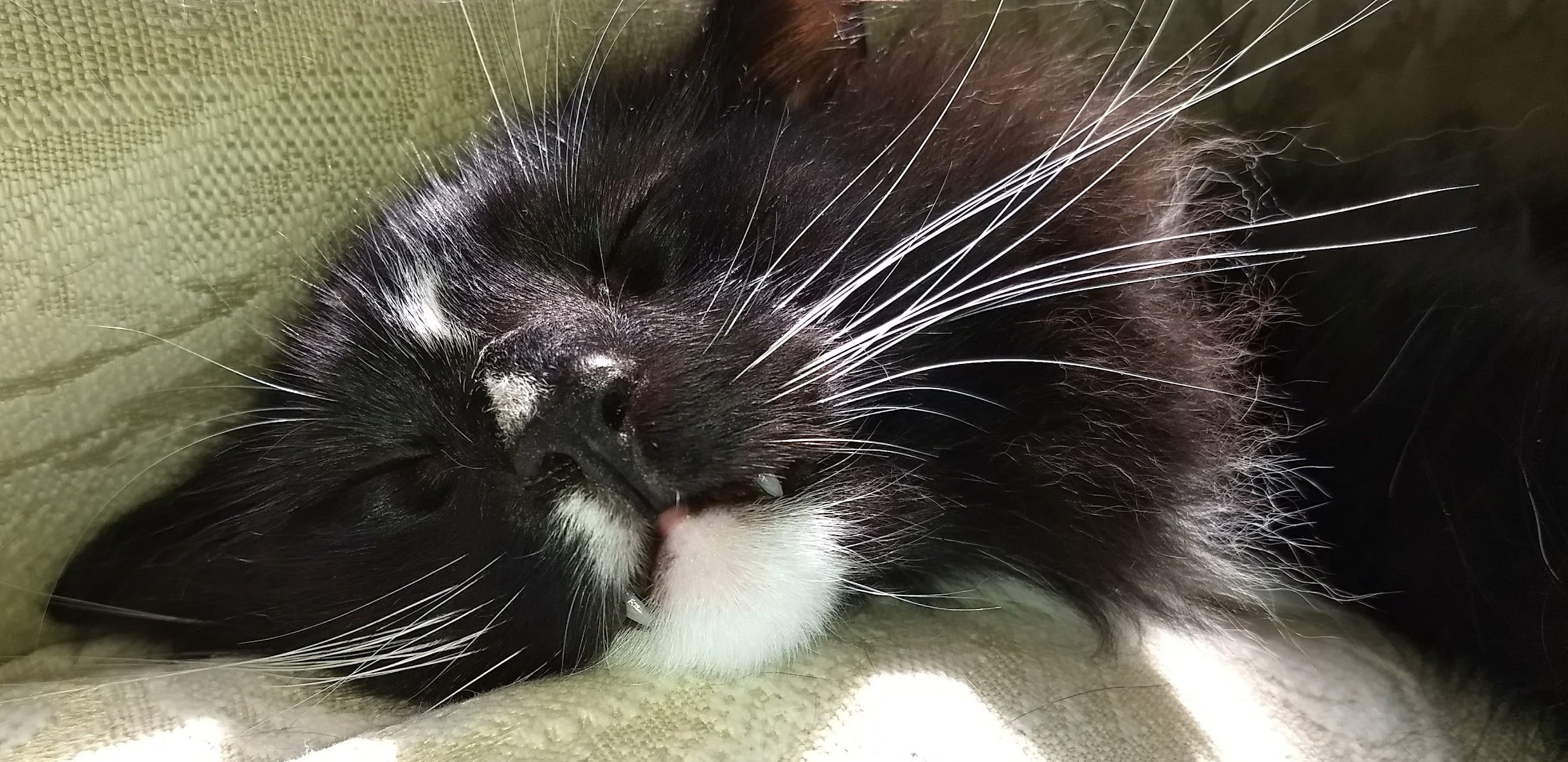
Furbaby Pain Management in Ware, MA
Pain can significantly affect your Furbaby’s comfort, mobility, and quality of life. At FurBaby Medical Veterinary Practice LLC, we are committed to helping Furbabies stay comfortable through compassionate veterinary pain management and individualized treatment plans.
Cats and dogs may experience pain for many reasons, including injury, arthritis, surgical recovery, dental disease, or chronic health conditions. Because Furbabies often hide signs of discomfort, recognizing and treating pain early is an important part of maintaining their overall well-being.
Book OnlinePain in Furbabies can sometimes be linked to underlying health conditions such as arthritis, injury, dental disease, or other medical concerns. At FurBaby Medical Veterinary Practice LLC, our approach to pain management often begins with a thorough evaluation during routine wellness exams and may include advanced testing through onsite diagnostics to better understand the source of discomfort. In some cases, chronic pain may also be related to aging, which is why supportive care for senior Furbabies and proper nutritional guidance can play an important role in maintaining mobility and comfort. By addressing the underlying cause and supporting your Furbaby’s overall health, our veterinary team works to improve quality of life and help your Furbaby stay active and comfortable.
Comprehensive Pain Relief Options
Our veterinary team offers several treatment options designed to relieve pain and improve mobility. Treatment recommendations are tailored to each Furbaby’s specific condition and medical needs.
Pain management options may include:
- Non-steroidal anti-inflammatory medications (NSAIDs)
- Anti-inflammatory therapies
- Prescription pain medications
- Joint support supplements such as glucosamine
- Arthritis management strategies
These treatments can help reduce inflammation, relieve discomfort, and support joint health so your Furbaby can remain active and comfortable.
If you believe your Furbaby may be experiencing pain, our veterinary team can evaluate their condition and recommend a treatment plan designed to restore comfort and improve quality of life.
Furbaby Pain Management FAQ
How can I tell if my Furbaby is in pain?
Signs of pain in Furbabies may include limping, decreased activity, difficulty standing or walking, loss of appetite, behavioral changes, or excessive licking of a specific area.
What causes pain in cats and dogs?
Common causes of pain include arthritis, injury, surgical recovery, dental disease, infections, and chronic medical conditions.
Can arthritis cause chronic pain in Furbabies?
Yes. Arthritis is one of the most common causes of chronic pain in older pets and can affect mobility and comfort.
What treatments are available for pet pain?
Veterinary pain management may include anti-inflammatory medications, prescription pain relievers, joint supplements, and other therapies depending on the condition.
Are pain medications safe for pets?
Yes. When prescribed and monitored by a veterinarian, pain medications are safe and effective for managing discomfort in pets.
Can supplements help with joint pain?
Joint support supplements such as glucosamine and other compounds may help support joint health and mobility for some Furbabies.
When should I bring my Furbaby to the vet for pain?
If your Furbaby shows signs of discomfort, mobility issues, or behavioral changes, a veterinary exam can help determine the cause and appropriate treatment.

Furbaby Behavior Management in Ware, MA
Behavioral challenges are common for many cats and dogs, and they can create stress for both Furbabies and their families. At FurBaby Medical Veterinary Practice LLC, we offer guidance and behavior management strategies to help address common behavioral concerns and restore harmony in your home.
Book OnlineOur veterinary team works closely with Furbaby owners to identify the root cause of behavioral issues and recommend practical solutions tailored to your Furbaby’s needs. In many cases, behavioral concerns can be improved through a combination of training techniques, environmental enrichment, routine adjustments, and veterinary guidance.
Addressing behavior problems early can help prevent them from becoming more serious over time. With patience, consistency, and professional support, many unwanted behaviors can be successfully managed or corrected.
Behavioral challenges in Furbabies are often connected to underlying health, environmental, or developmental factors. At FurBaby Medical Veterinary Practice LLC, our approach to behavioral medicine focuses on understanding the root cause of the behavior while supporting your Furbaby’s overall health. In many cases, behavioral concerns may be influenced by medical conditions, discomfort, or stress, which is why routine wellness exams and thorough diagnostic evaluations can play an important role in identifying potential contributing factors. Our veterinary team may also recommend nutritional guidance, pain management, or other supportive care strategies as part of a comprehensive plan designed to help your Furbaby feel more comfortable and behave more confidently at home.
At FurBaby Medical Veterinary Practice LLC, our goal is to help Furbabies in Ware, MA feel more confident, comfortable, and secure so they can live happier lives with their families.
Furbaby Behavior FAQ
What are common behavioral problems in cats and dogs?
Common issues include excessive barking, destructive chewing, scratching furniture, separation anxiety, aggression, inappropriate elimination, and fear-based behaviors.
Why do Furbabies develop behavioral issues?
Behavior problems can develop due to anxiety, stress, lack of training, environmental changes, boredom, or underlying medical conditions.
Can behavioral problems be corrected?
Yes. Many behavioral issues can improve with proper training, routine adjustments, environmental enrichment, and guidance from your veterinarian.
When should I seek veterinary help for behavior problems?
If your Furbaby’s behavior becomes destructive, aggressive, or difficult to manage, it is helpful to consult your veterinarian early to identify possible causes and solutions.
Could a medical condition cause behavioral changes?
Yes. Pain, illness, hormonal imbalances, or neurological conditions can sometimes cause sudden behavioral changes in Furbabies.
How can I help reduce anxiety in my Furbaby?
Maintaining a consistent routine, providing mental stimulation, regular exercise, and positive reinforcement training can help reduce anxiety and improve behavior.
Can early training help prevent behavior problems?
Yes. Early socialization and positive training techniques can help prevent many behavioral issues and encourage healthy habits as your Furbaby grows.