
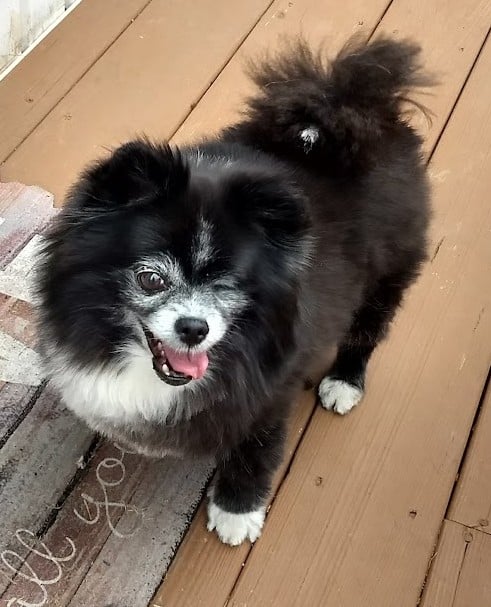
Senior Furbaby Veterinary Care in Ware, MA
As Furbabies grow older, their healthcare needs naturally change. Preventative veterinary care is important throughout every stage of life, but it becomes even more essential as cats and dogs enter their senior years. Regular exams and diagnostic screening help identify age-related health concerns early, allowing our veterinary team to provide timely treatment and support long-term health.
At FurBaby Medical Veterinary Practice LLC, we provide compassionate geriatric veterinary care focused on helping senior Furbabies remain comfortable, active, and healthy. Many age-related conditions develop gradually, which is why routine wellness visits and diagnostic testing are especially valuable for older pets.
Book OnlineSenior Wellness Exams & Diagnostic Screening
Annual or semi-annual exams allow our veterinarians to closely monitor your Furbaby’s overall health. Blood work and laboratory testing can help evaluate organ function, detect early signs of disease, and track important changes as your Furbaby ages.
Common diagnostic tests for senior Furbabies may include:
- Kidney and liver function testing
- Thyroid screening
- Blood cell counts
- Urinalysis
- Monitoring chronic health conditions
Early detection allows us to address medical concerns sooner and create a personalized care plan that supports your Furbaby’s quality of life.
Our veterinary team understands the physical and behavioral changes that can occur as pets age. With thoughtful monitoring and preventative care, many senior Furbabies continue to enjoy happy, active lives well into their golden years.
Please call (864) Furbaby (387-2229) to learn more about caring for your senior Furbaby and how routine wellness care can help protect their health.
Senior Furbaby Care FAQ
When is my Furbaby considered a senior?
Many cats and dogs are considered senior around seven years of age, although this can vary depending on breed, size, and overall health.
Why are wellness exams important for senior Furbabies?
Senior wellness exams help veterinarians detect age-related conditions early, including kidney disease, arthritis, thyroid problems, and metabolic disorders.
How often should senior Furbabies visit the veterinarian?
Many veterinarians recommend wellness exams every six months for senior pets to monitor changes in health more closely.
What health problems are common in older pets?
Common conditions in senior pets include arthritis, kidney disease, heart disease, thyroid disorders, diabetes, and dental disease.
Why is blood work important for senior pets?
Blood testing allows veterinarians to monitor organ function and detect health changes that may not yet show physical symptoms.
Can senior Furbabies still live active lives?
Yes. With proper veterinary care, nutrition, and monitoring, many senior pets continue to enjoy active and comfortable lives.
What signs should I watch for in an aging Furbaby?
Changes such as decreased activity, increased thirst, weight loss, mobility problems, or appetite changes should be evaluated by a veterinarian.